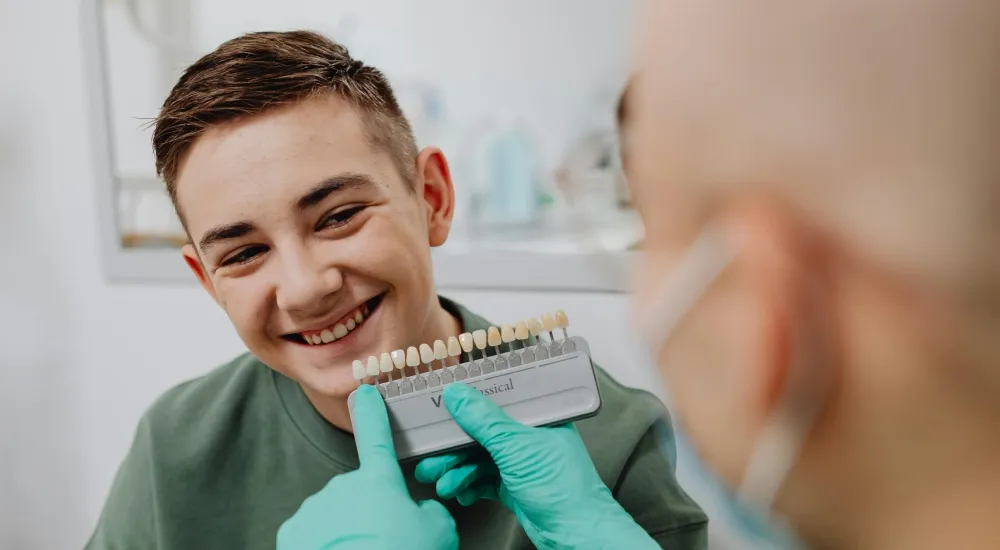
A confident smile changes how you move through each day. Children, teens, adults, and older adults all feel that truth. You might hide your teeth in photos or cover your mouth when you laugh. You might feel judged at work or on a first date. Cosmetic dentistry speaks to that quiet pain. It not only changes teeth. It changes how you see yourself. Modern options help fix chips, stains, gaps, and worn teeth with steady results. Treatment can be simple, fast, and safe. Many people now ask a trusted dentist in Fairfield, CA about whitening, veneers, or clear aligners. Each choice can match your age, budget, and health. You deserve a smile that fits your story. This blog explains why people at every stage of life seek cosmetic care and how you can choose what feels right.
Why your smile matters at every age
Your mouth affects more than looks. It shapes how you speak, eat, and meet people. It also links to your general health. The Office of the Surgeon General calls oral health a key part of total health and quality of life. You can read more from the U.S. Department of Health and Human Services.
When your teeth look worn or stained, you may feel small. When your teeth look clean and even, you stand taller. That shift matters for a shy child, a teen under peer pressure, a parent at work, and a grandparent who wants to smile with grandkids.
Cosmetic care appeals to all ages because it meets three basic needs.
- You want to feel accepted.
- You want to feel strong.
- You want to feel ready for new chances.
Common cosmetic treatments and what they change
Cosmetic dentistry covers many simple treatments. Each one targets a clear problem that can hurt your confidence.
- Teeth whitening. Lightens stains from food, drinks, or tobacco. Often used before big events like graduations or weddings.
- Bonding. Uses tooth colored material to repair chips, small gaps, or worn edges.
- Veneers. Thin covers that fit on the front of teeth. They change color, shape, and length.
- Clear aligners or braces. Straighten crowded or crooked teeth and adjust the bite.
- Tooth colored fillings and crowns. Repair decay or broken teeth while keeping a natural look.
- Implants and bridges. Replace missing teeth so you can chew and smile with ease.
The American Dental Association explains many of these choices and stresses good home care.
How needs change across childhood, adulthood, and later life
Your needs shift as you grow. Yet the wish for a steady smile stays the same.
- Children. Parents often seek help for chipped front teeth, white spots, or stains from medicine. Simple bonding or gentle whitening under supervision can help. Straight teeth also support clear speech and easier brushing.
- Teens. Teens feel strong pressure from classmates and social media. Clear aligners, braces, and whitening can ease teasing and support self-respect.
- Adults. Work, parenting, and stress can lead to grinding, coffee stains, and worn edges. Veneers, bonding, and whitening help restore a clean look. Tooth colored fillings and crowns can replace old metal work.
- Older adults. Tooth loss, gum recession, and wear can change the bite and face shape. Implants, bridges, and partial dentures restore chewing. Whitening and veneers can soften the look of age.
Quick comparison of popular cosmetic options
| Treatment | Common use | Typical time | Best for
|
|---|---|---|---|
| Teeth whitening | Surface stains | One visit or a few weeks with trays | Teens with healthy teeth and adults of any age |
| Bonding | Small chips and gaps | One visit | Children, teens, and adults |
| Veneers | Stains, shape issues, worn edges | Two to three visits | Adults with stable teeth and gums |
| Clear aligners | Crowding and mild bite shifts | Several months to two years | Teens and adults |
| Implants | Single or multiple missing teeth | Several months | Adults and older adults with enough bone |
How to decide what is right for you
You face many choices. A simple plan can keep you from feeling lost.
- First, get a full exam. Ask for X-rays and photos. Discuss decay, gum health, and bite problems.
- Next, name your main concern. It may be color, shape, crowding, or missing teeth. Choose the top one.
- Then, ask for at least two options. Compare cost, time, and care needs. Ask how long each result can last if you brush and floss.
You can also ask these three questions.
- Will this treatment protect my oral health or only change looks
- How will this affect future care
- What simple steps must I follow at home
Safety, trust, and long-term care
Cosmetic work should never ignore health. Any trusted dentist will treat infection and gum disease first. That care protects you from pain and tooth loss later. It also gives a stronger base for whitening, bonding, or veneers.
Daily habits keep your new smile steady.
- Brush with fluoride toothpaste two times each day.
- Clean between teeth once each day.
- Limit sugary snacks and drinks.
- See your dentist for cleanings and checks on a set schedule.
Why cosmetic dentistry feels so human
Cosmetic dentistry appeals to patients of all ages because it respects both health and self-respect. It touches how you eat, speak, work, and love. It helps a child smile in a school photo. It helps a teen walk into class with less fear. It helps an adult face a job interview. It helps an older adult laugh without covering the mouth.
You do not need a perfect smile. You only need a smile that feels true to you, with teeth that are clean, strong, and cared for. With clear facts, a trusted dentist, and steady home care, you can choose changes that support your life at any age.