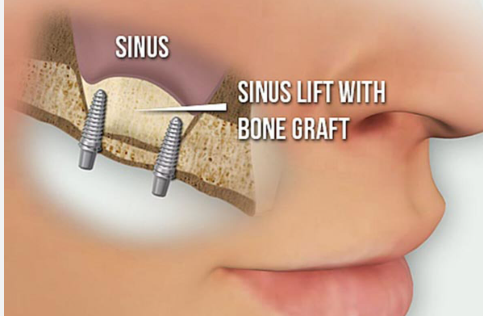
A missing bone in your upper jaw can stop you from getting implants. Sinus augmentation gives you another chance. This surgery adds bone near your back teeth so implants can sit strong and steady. You may feel nervous about treatment near your sinuses. That fear is normal. You deserve clear facts, plain language, and honest expectations. This guide explains what sinus augmentation is, why you might need it, and what you can expect before, during, and after the procedure. It also helps you talk with your family dentist in Clearwater, FL about safe options for your mouth. You will learn how bone loss happens, how your sinus space affects implants, and what healing usually looks like. With the right information, you can face this decision with less worry and more control.
What Is Sinus Augmentation
Your upper back teeth sit close to your sinus cavity. When those teeth are lost, the bone in that spot can shrink. Then there is not enough hard support to hold an implant. Sinus augmentation is surgery that lifts the sinus floor and places new bone in that space. Over time, your body joins that new bone with your natural bone. Then the spot can support an implant.
Implants need firm bone for strength. A sinus lift gives that strength in the upper jaw. It does not change how your face looks. It changes what you cannot see. It builds a solid base for chewing and speaking.
Why You Might Need A Sinus Lift
You might need sinus augmentation if you have one or more of these issues.
-
Bone loss after tooth removal in the upper back jaw
-
Large sinus space that drops down near the tooth roots
-
Gum disease that destroyed bone in that region
-
Injury that damaged the bone in the upper jaw
-
Long term missing teeth without replacement
First, your dentist or specialist studies your mouth. You may have X-rays and a 3D scan. These pictures show how much bone you have between your sinus and your mouth. They also show the shape of your sinus and nearby roots and nerves. This planning step lowers risk and sets clear limits for treatment.
Types Of Sinus Augmentation
There are two main ways to lift the sinus. The choice depends on how much bone you have now.
Comparison Of Common Sinus Augmentation Methods
In a lateral lift, the surgeon opens a small window in the side of the upper jaw. The sinus lining is lifted up. Then bone material is placed in the new pocket. In a crestal lift, the surgeon works from inside the mouth through the spot where the implant will go. The sinus floor is raised a short distance, and bone material is packed under it.
What Happens Before Surgery
Good planning protects your health. You can expect three key steps.
-
Review of your medical history and current medicines
-
Imaging of your upper jaw and sinuses
-
Discussion of options, healing time, and costs
Tell your dentist about heart disease, diabetes, sinus problems, or smoking. Also, share any blood thinner or bone medicine. These details guide safe choices. You may need care from your doctor before surgery.
The American Association of Oral and Maxillofacial Surgeons offers patient details on sinus lifts and implants. This source supports questions you may ask during your visit.
What To Expect During The Procedure
On the day of surgery, you receive numbing medicine in the upper jaw. Sometimes you also receive medicine that helps you relax. The surgeon gently moves the gum, reaches the bone, and creates space under the sinus lining. Then bone material is placed, and the gum is closed with stitches.
The visit can take one to two hours. You feel pressure and movement, not sharp pain. You go home the same day with written instructions. You need a ride home if you receive strong medicine for relaxation.
Recovery And Healing
Most people return to light tasks the next day. You may feel pressure in your cheek or under your eye. Some swelling and spotting inside the mouth is common. Pain medicine from your dentist or store can usually control discomfort.
To protect the new bone, you will likely be asked to follow these rules.
-
Avoid blowing your nose for at least one week
-
Sneeze with your mouth open
-
Skip smoking and vaping
-
Do not use straws for drinks for several days
-
Sleep with your head raised for the first few nights
New bone needs time to join with your jaw. This can take several months. During this time, you still chew on your other teeth. Your dentist checks healing at follow-up visits and may repeat X-rays.
Possible Risks And How They Are Managed
Every surgery has risks. Sinus augmentation risk is usually low when done by a trained surgeon. Possible problems include these.
-
Small tear in the sinus lining
-
Infection in the graft or sinus
-
Too much bleeding
-
Graft shift or loss
A small tear in the sinus lining often closes on its own. Sometimes the surgeon repairs it. You may need to wait before placing the graft. Antibiotics, nose sprays, and rinses may protect healing. Careful planning and good home care cut risk further.
When Implants Can Be Placed
Timing depends on how much bone you start with. If you have enough bone to hold an implant right away, the surgeon may lift the sinus and place the implant in one visit. If the bone is very thin, the surgeon may place the graft first. Then you wait several months. After that, implants go into solid bone.
Once implants are stable, your dentist places the final crowns or bridge. Then you can chew with more strength on that side again.
How To Talk With Your Dentist
You have the right to clear answers. Bring questions like these to your visit.
-
How much bone do I have in my upper jaw now
-
Which type of sinus lift do you recommend and why
-
How many of these surgeries have you done
-
What signs of trouble should make me call you after surgery
-
What are my other options if I decide against a sinus lift
Honest talk builds trust. It also helps you choose care that fits your health and your comfort level.
Taking The Next Step
Sinus augmentation is a strong tool that can open the door to upper jaw implants. It supports better chewing, speech, and daily comfort. You do not have to accept loose dentures or gaps as your only path. With clear facts and a careful plan, you and your dentist can decide whether a sinus lift is right for you and your family.